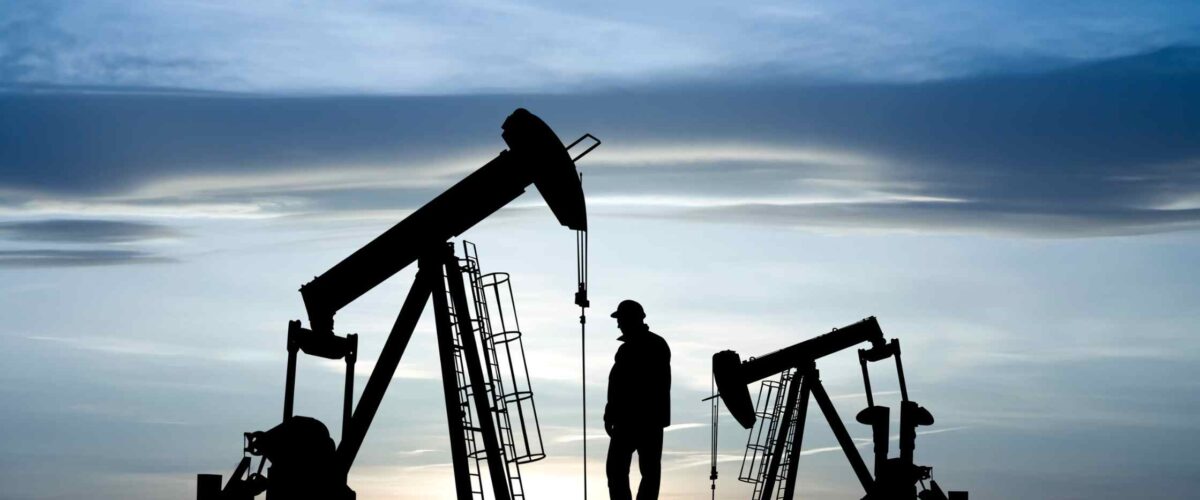

AI Machine Learning

Understanding AI and Machine Learning in Petroleum Equipment

The petroleum industry is one of the most technology-driven sectors, continuously seeking innovations to boost efficiency, safety, and sustainability. Today, Artificial Intelligence (AI) and Machine Learning (ML) stand at the forefront of this transformation, especially in optimizing the performance of petroleum equipment. By harnessing vast amounts of operational data, AI and ML technologies enable oil and gas companies to make smarter, faster, and more informed decisions that enhance equipment reliability and productivity.

In this article, we explore how AI and machine learning are revolutionizing petroleum equipment management and why embracing these technologies is crucial for future-ready operations.

Understanding AI and Machine Learning in Petroleum Equipment

  • Artificial Intelligence (AI) refers to computer systems designed to perform tasks that normally require human intelligence, such as problem-solving, pattern recognition, and decision-making.

  • Machine Learning (ML) is a subset of AI that involves algorithms learning from data to improve performance over time without being explicitly programmed.

When applied to petroleum equipment—such as pumps, compressors, drilling rigs, and pipelines—AI and ML analyze complex data streams to detect anomalies, predict failures, and optimize operating conditions.

Key Applications of AI and ML in Petroleum Equipment Optimization

1. Predictive Maintenance

Traditional maintenance schedules often rely on fixed intervals or reactive approaches, which can lead to costly downtime or unexpected failures. AI-powered predictive maintenance uses sensor data and historical trends to forecast when equipment is likely to fail or degrade. This allows operators to perform maintenance proactively, reducing unplanned outages and extending equipment lifespan.

2. Real-Time Performance Monitoring

AI algorithms continuously monitor equipment performance by analyzing parameters like vibration, temperature, pressure, and flow rates. Machine learning models can detect subtle changes indicating inefficiencies or emerging issues that human operators might miss, enabling swift corrective actions.

3. Process Optimization

AI-driven optimization tools can adjust operational parameters dynamically to maximize output while minimizing energy consumption and wear. For example, optimizing pump speeds or valve positions based on real-time data improves throughput and reduces costs.

4. Anomaly Detection and Fault Diagnosis

Machine learning models excel at identifying unusual patterns in large datasets. By detecting anomalies early, AI systems alert operators to potential problems such as leaks, blockages, or component malfunctions before they escalate.

Benefits of AI and Machine Learning in Petroleum Equipment Management

  • Increased Equipment Uptime: Early detection of issues minimizes unplanned downtime.

  • Cost Efficiency: Optimized operations and predictive maintenance reduce repair expenses and energy costs.

  • Enhanced Safety: Monitoring critical equipment conditions prevents catastrophic failures that could endanger personnel.

  • Data-Driven Insights: AI provides actionable intelligence for better decision-making and strategic planning.

  • Scalability: AI systems can handle data from multiple assets and locations, supporting large-scale operations.

Challenges and Considerations

Despite their potential, integrating AI and ML into petroleum equipment management involves:

  • Data Quality and Availability: High-quality, comprehensive sensor data is essential for accurate models.

  • Technical Expertise: Skilled personnel are needed to develop, deploy, and maintain AI systems.

  • Integration: AI must seamlessly integrate with existing operational technology (OT) and IT infrastructure.

  • Cybersecurity: Increased connectivity requires robust protections against cyber threats.

The Road Ahead: AI and ML in the Future Petroleum Landscape

Looking forward, the role of AI and machine learning will only deepen with:

  • Edge Computing: Processing data near the equipment for real-time decision-making with low latency.

  • Digital Twins: Virtual replicas of physical assets updated in real time to simulate performance and predict outcomes.

  • Advanced Robotics: AI-controlled robotic systems performing inspections and maintenance in hazardous environments.

  • Collaborative AI: Systems that work alongside human experts, augmenting their skills and enhancing operational efficiency.

AI and machine learning are redefining how petroleum equipment is monitored, maintained, and optimized. By leveraging intelligent algorithms and big data, oil and gas companies can improve reliability, reduce costs, and enhance safety, crucial factors in today’s competitive and environmentally conscious energy market.

Embracing AI-driven solutions is no longer just an advantage; it’s becoming a necessity for operators who want to stay ahead in a rapidly evolving industry. The future of petroleum equipment management is smart, connected, and data-powered.

Read more on Sparkview Energy:

How IoT is Revolutionizing Petroleum Equipment Monitoring and Maintenance

Green Equipment: Reducing the Carbon Footprint of Petroleum Operations

The Evolution of Petroleum Equipment: From Traditional Tools to Smart Devices
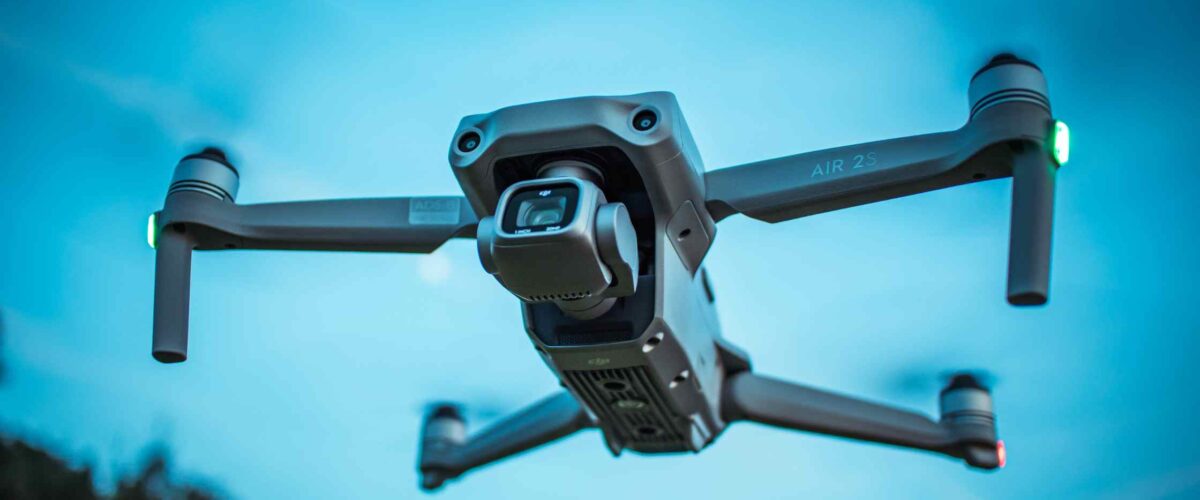
 

Drones

Drones in Midshore Oil and Gas: Enhancing Inspection and Monitoring

The oil and gas industry has long faced challenges when it comes to inspecting and monitoring assets—especially in complex and often remote environments like midshore operations. In recent years, drones, also known as unmanned aerial vehicles (UAVs), have emerged as a powerful technology revolutionizing how companies perform routine inspections, safety checks, and environmental monitoring.

Midshore oil and gas facilities, which typically operate between nearshore and offshore zones, can benefit immensely from drone technology by improving safety, increasing efficiency, and reducing costs. This blog article explores the expanding role of drones in midshore oil and gas operations and highlights why they are fast becoming an indispensable tool for inspection and monitoring.


What Are Midshore Oil and Gas Operations?

Midshore operations refer to oil and gas activities that occur in intermediate water depths or coastal zones—not quite offshore but beyond the immediate shoreline. These may include:

  • Platform-based production facilities

  • Subsea pipelines in transitional waters

  • Coastal terminals and storage installations

Due to their location, midshore assets often pose unique logistical and operational challenges, requiring innovative approaches to inspection and monitoring.


How Drones Are Transforming Midshore Oil and Gas Inspections

1. Efficient Visual Inspections

Drones equipped with high-resolution cameras and thermal imaging sensors can quickly survey large structures such as platforms, flare stacks, and storage tanks. They provide detailed visual data that helps detect corrosion, cracks, leaks, and heat anomalies without the need for scaffolding or rope access.

2. Access to Hard-to-Reach Areas

Many midshore facilities have confined or elevated sections that are difficult and dangerous for human inspectors to reach. Drones can easily navigate these areas, capturing images and videos that would otherwise require costly and time-consuming setups.

3. Environmental Monitoring

Drones can monitor surrounding water quality, wildlife activity, and possible environmental hazards. This capability helps companies comply with regulations and quickly respond to spills or other incidents.

4. Rapid Emergency Response

In case of incidents like fires, gas leaks, or structural damage, drones provide real-time situational awareness, allowing operators and emergency teams to assess risks remotely and make faster, safer decisions.


Benefits of Using Drones in Midshore Oil and Gas

  • Improved Safety: Reduces the need for personnel to work at height or in hazardous environments.

  • Cost Savings: Cuts down on the expenses of traditional inspection methods such as scaffolding, cranes, or helicopters.

  • Increased Inspection Frequency: Faster surveys mean more frequent inspections, which leads to better asset health monitoring.

  • High-Quality Data: Advanced imaging and sensor technology deliver precise, actionable insights.

  • Reduced Downtime: Quicker inspections minimize operational interruptions.


Challenges and Considerations

While drones offer significant advantages, operators should be mindful of:

  • Regulatory Compliance: Navigating airspace permissions and safety regulations.

  • Weather Limitations: Drones may be grounded by high winds, heavy rain, or fog.

  • Data Management: Handling and analyzing large volumes of imagery and sensor data.

  • Integration: Aligning drone operations with existing maintenance and asset management systems.


The Future of Drones in Midshore Oil and Gas

As drone technology advances, their role in midshore oil and gas will expand with features like:

  • Autonomous Flight and AI: Enabling drones to perform inspections independently with intelligent anomaly detection.

  • Swarm Technology: Coordinated groups of drones covering extensive areas faster.

  • Multispectral and Gas Detection Sensors: Allowing for more comprehensive environmental and safety monitoring.

  • Integration with Digital Twins: Feeding real-time drone data into virtual asset models for predictive maintenance.


Drones are quickly becoming a cornerstone technology for midshore oil and gas inspection and monitoring. By combining speed, safety, and precision, they empower operators to maintain their assets more effectively while reducing costs and environmental risks.

Companies that embrace drone technology today will be better positioned to meet the demands of tomorrow’s energy landscape—where agility, safety, and sustainability are paramount.

Read more on Sparkview Energy:

How Artificial Intelligence is Driving Sustainability in Oil and Gas Operations

Emerging Technologies in Midshore Exploration and Production: Bridging the Gap Between Shallow and Deep Waters

The Role of Autonomous Underwater Vehicles (AUVs) in Offshore Oil Exploration

Automation and Robotics

Automation and Robotics: Streamlining Onshore Oilfield Operations

The oil and gas industry is undergoing a rapid transformation fueled by digital innovation. Among the most impactful advancements are automation and robotics, which are revolutionizing onshore oilfield operations by enhancing safety, boosting efficiency, and reducing operational costs. As onshore oilfields grow more complex and competitive, leveraging these technologies has become essential to maintain productivity while addressing environmental and workforce challenges.

In this article, we explore how automation and robotics are reshaping onshore oilfield workflows, the benefits they bring, and what the future holds for this dynamic synergy.


The Need for Automation and Robotics in Onshore Oilfields

Onshore oilfields involve a broad range of activities—from drilling and well completion to production monitoring and maintenance—that are often labor-intensive, hazardous, and prone to human error. Increasing regulatory scrutiny, workforce shortages, and the push for operational excellence have accelerated the adoption of automation and robotic systems.

Key drivers include:

  • Safety: Minimizing human exposure to dangerous environments such as high-pressure zones or toxic gases.

  • Cost Efficiency: Reducing labor costs and optimizing equipment utilization.

  • Data-Driven Decisions: Enabling real-time monitoring and predictive maintenance through integrated sensors and analytics.

  • Operational Consistency: Reducing variability in processes to improve production reliability.


How Automation and Robotics Are Transforming Onshore Operations

1. Automated Drilling and Completion

Modern onshore rigs now feature automated drilling systems that control drilling parameters such as weight on bit, torque, and rate of penetration with minimal human intervention. Robotics assist in pipe handling, tubular running, and connection makeup, speeding up rig-up and rig-down processes while enhancing crew safety.

2. Remote Monitoring and Control

Sensors embedded across wells, pipelines, and surface equipment feed data into centralized control systems. Automation platforms enable operators to remotely adjust flow rates, pressure, and chemical injection, improving responsiveness and reducing the need for on-site personnel.

3. Robotic Inspection and Maintenance

Robots equipped with cameras, ultrasonic sensors, and thermal imaging conduct routine inspections of tanks, pipelines, and valves, identifying corrosion, leaks, or mechanical wear early. This proactive approach minimizes unplanned downtime and costly repairs.

4. Unmanned Ground Vehicles (UGVs)

Robotic vehicles can traverse rugged terrain to perform deliveries, site inspections, or emergency interventions, decreasing personnel exposure to hazardous zones and improving operational logistics.


Benefits of Automation and Robotics in Onshore Oilfields

  • Enhanced Safety: Robots and automation reduce human presence in hazardous areas, cutting accident risks.

  • Improved Efficiency: Automated workflows accelerate drilling and production activities, reducing cycle times.

  • Data Accuracy: Continuous monitoring ensures timely detection of anomalies and better asset management.

  • Cost Savings: Decreased downtime and optimized resource use translate to substantial financial benefits.

  • Environmental Impact: Automation supports better leak detection and emissions control, contributing to sustainability goals.


Challenges and Considerations

While promising, automation and robotics adoption face obstacles:

  • Integration with Legacy Systems: Older equipment may require upgrades to support modern automation.

  • High Initial Investment: Capital costs for robotic systems and automation software can be significant.

  • Skill Gap: Workforce upskilling is essential to manage and maintain automated systems effectively.

  • Cybersecurity Risks: Increased connectivity introduces vulnerabilities that must be proactively managed.


The Road Ahead: Future Trends in Onshore Oilfield Automation

  • Artificial Intelligence (AI): Machine learning algorithms will optimize drilling parameters and predict equipment failures before they occur.

  • Digital Twins: Virtual replicas of oilfield assets will enable simulation and advanced scenario planning.

  • Collaborative Robots (Cobots): Robots designed to safely work alongside humans, enhancing productivity without replacing jobs.

  • Edge Computing: On-site processing of data to reduce latency and improve real-time decision-making.


Automation and robotics are no longer optional in the evolving landscape of onshore oilfield operations—they are vital tools driving the industry toward safer, smarter, and more sustainable production. Companies embracing these technologies will gain a competitive edge by enhancing operational efficiency, improving safety standards, and optimizing resource management.

The future of onshore oilfields is clearly one where humans and intelligent machines work in harmony, unlocking new potentials and redefining the way energy is produced.

Read more on Sparkview Energy:

Automation and Robotics in Oil and Gas: Enhancing Efficiency and Reducing Human Risks

How Artificial Intelligence is Driving Sustainability in Oil and Gas Operations

Upstream Innovations: How Technology is Enhancing Petroleum Product Yield

smart wells onshore

The Rise of Smart Wells in Onshore Drilling: Revolutionizing Oil and Gas Production

The oil and gas industry has always been at the forefront of technological innovation, seeking ways to maximize production, reduce costs, and improve safety. One of the most transformative advancements in recent years is the emergence of smart wells—onshore wells equipped with sophisticated sensors, automation, and real-time data analytics that enable unprecedented control over reservoir management and production optimization.

As the industry faces challenges such as declining reservoir pressures, complex geology, and increasing environmental regulations, smart wells are becoming essential tools for unlocking reserves more efficiently and sustainably. In this article, we delve into what smart wells are, how they work, and why they are reshaping the future of onshore drilling.


What Are Smart Wells?

A smart well is an oil or gas well enhanced with downhole sensors, flow control valves, and communication systems that allow operators to monitor and adjust production parameters in real time. Unlike conventional wells, where production settings are fixed once the well is drilled and completed, smart wells provide dynamic control over:

  • Flow rates from different zones or perforations

  • Pressure and temperature conditions downhole

  • Water or gas breakthrough management

This level of control is enabled through distributed control valves and real-time data telemetry, creating a feedback loop that maximizes recovery and extends the life of the well.


Key Components of Smart Wells

  1. Downhole Sensors: Measure pressure, temperature, flow rates, and other reservoir conditions at multiple locations within the wellbore.

  2. Flow Control Valves: Electrically or hydraulically actuated valves allow operators to selectively open or close different zones.

  3. Communication Systems: Wired or wireless systems transmit data to the surface control center.

  4. Surface Control and Analytics: Software platforms aggregate sensor data and enable remote adjustments, often using AI and machine learning for predictive decision-making.


Benefits of Smart Wells in Onshore Drilling

1. Optimized Reservoir Management

Smart wells allow operators to produce hydrocarbons selectively from different zones based on reservoir conditions, minimizing water or gas coning and improving overall recovery rates.

2. Increased Production Efficiency

Real-time data enables fine-tuning of flow rates and pressures, avoiding bottlenecks or overproduction from any one zone, thereby maintaining steady and optimized output.

3. Reduced Operational Costs

By reducing the need for frequent well interventions and workovers, smart wells cut operational expenses and downtime. Remote monitoring also limits the number of personnel required on site.

4. Improved Safety and Environmental Compliance

Continuous monitoring of pressure and flow reduces risks of blowouts or leaks, and enables early detection of anomalies. This proactive approach supports safer operations and better environmental stewardship.


Real-World Applications and Success Stories

  • Permian Basin: Operators have reported up to 15-20% production uplift and significant cost savings through the deployment of smart well technologies.

  • North Sea: Smart well completions have extended well life and enhanced water shutoff capabilities in mature fields.

  • Middle East: Increasing adoption of smart wells to optimize production from complex, multilayered reservoirs.

These successes are driving broader industry adoption, especially in challenging reservoirs where traditional methods fall short.


Challenges and Considerations

Despite their benefits, smart wells come with challenges:

  • Higher upfront costs: Installation and equipment expenses are significant, though often offset by long-term gains.

  • Technical complexity: Requires skilled personnel for design, installation, and data interpretation.

  • Integration issues: Must work seamlessly with existing surface facilities and control systems.

  • Reliability: Downhole electronics must withstand harsh environments over long durations.

Continued advances in sensor durability, communication technology, and automation software are steadily addressing these hurdles.


The Future of Smart Wells

As digital transformation accelerates, smart wells will become more sophisticated and widespread. Key future trends include:

  • Integration with digital twins: Enabling virtual modeling and simulation of well performance.

  • AI and machine learning: For predictive maintenance and autonomous optimization.

  • Enhanced connectivity: Using next-gen IoT networks for faster, more reliable data transmission.

  • Expansion beyond oil and gas: Applying smart well concepts to geothermal energy and carbon capture storage.

Smart wells will be a cornerstone of the energy sector’s move towards more intelligent, efficient, and environmentally responsible resource management.


The rise of smart wells marks a pivotal shift in onshore drilling. By combining real-time monitoring, automated control, and advanced analytics, these wells enable operators to unlock more value from reservoirs while reducing risks and costs. As technology continues to evolve, smart wells will not only enhance production but also help the oil and gas industry navigate the complex demands of a changing energy landscape.

For operators ready to embrace innovation, smart wells offer a pathway to smarter, safer, and more sustainable onshore drilling.

Read more on Sparkview Energy:

Enhanced Oil Recovery (EOR) Techniques for Onshore Operations: Maximizing Yield from Mature Fields

Digital Transformation in Onshore Oilfields: Harnessing IoT, AI, and Big Data

Balancing Community Interests with Onshore Oilfield Development