
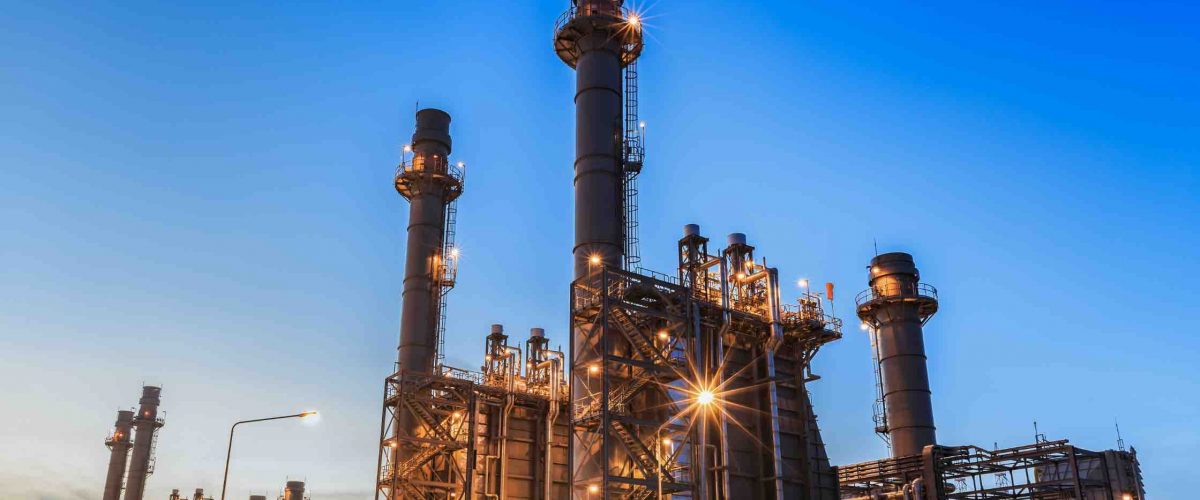
Natural gas compression

Natural Gas Compression: Equipment and Applications in the Midstream Sector

Natural gas compression plays a vital role in the midstream sector of the oil and gas industry.

It involves the use of various equipment and technologies to transport natural gas from production sites to processing facilities, storage facilities, or distribution points.

Here, we’ll discuss the equipment used in natural gas compression and some of the key applications in the midstream sector:

Equipment Used in Natural Gas Compression:

  1. Compressors: Compressors are the central equipment in natural gas compression. They increase the pressure of the natural gas to facilitate its transportation. There are various types of compressors, including reciprocating compressors and centrifugal compressors, each with its own advantages and applications.
  2. Engines or Motors: Compressors are typically driven by engines or motors. Natural gas engines, electric motors, or even turbines can be used, depending on the specific requirements of the compression station.
  3. Coolers and Heat Exchangers: Natural gas compression generates heat, which needs to be dissipated to prevent overheating and maintain the efficiency of the compressor. Heat exchangers or coolers are used for this purpose.
  4. Filtration and Separation Equipment: To ensure the purity of the compressed natural gas and protect the compressor from contaminants, filtration and separation equipment such as coalescers and separators are employed.
  5. Valves and Control Systems: Valves are used to control the flow and pressure of natural gas within the compression system. Sophisticated control systems are essential for efficient operation and maintenance.
  6. Piping and Tubing: High-strength and corrosion-resistant piping and tubing are used to transport the natural gas from one stage of compression to another.

Applications in the Midstream Sector:

  1. Gathering and Transportation: Natural gas compression is used in the gathering phase to collect natural gas from various production wells. Once gathered, the gas is compressed for transportation through pipelines to processing facilities or distribution centers.
  2. Gas Processing: Natural gas often contains impurities, such as water vapor, hydrogen sulfide (H2S), and carbon dioxide (CO2). Compression is used to transport the gas to processing plants, where these impurities are removed and the gas is purified for various applications.
  3. Storage: Compressed natural gas can be stored in underground storage facilities to balance supply and demand. The compression process is crucial for injecting gas into storage reservoirs and withdrawing it as needed.
  4. Pipeline Transmission: Long-distance pipelines that transport natural gas across regions or countries require compression stations at regular intervals to maintain the pressure and flow rate of the gas.
  5. LNG Production: In the liquefied natural gas (LNG) production process, natural gas is compressed and cooled to extremely low temperatures to convert it into a liquid state for storage and transportation.
  6. Fueling Stations: Compressed natural gas (CNG) and liquefied natural gas (LNG) are used as alternative fuels for vehicles. Compression equipment is used at fueling stations to fill CNG tanks in vehicles.
  7. Power Generation: Natural gas compression is used in power generation facilities, especially in combined-cycle power plants, where gas turbines are used for electricity generation.

In the midstream sector, the efficient and reliable operation of natural gas compression equipment is essential to ensure the safe and cost-effective transportation and processing of natural gas.

Maintenance and monitoring of this equipment are critical to prevent downtime and maintain the integrity of the gas supply chain.


Read more on Sparkview Energy:

Automation and Robotics in Oil and Gas: Enhancing Efficiency and Reducing Human Risks

Environmental Impact of Oil and Gas Equipment: Mitigation and Sustainability Measures

Advancements in Oil and Gas Drilling Equipment: Efficiency and Safety Improvements

Automation and robotics

Automation and Robotics in Oil and Gas: Enhancing Efficiency and Reducing Human Risks

Automation and robotics have emerged as crucial technologies in the oil and gas industry, with the potential to significantly enhance efficiency, reduce operational costs, and minimize human risks.

Here’s how automation and robotics are making an impact in this sector:

1. Drilling and Exploration:

  • Automated Drilling Systems: Automated drilling rigs equipped with robotics can precisely control drilling operations, resulting in faster and more accurate drilling processes.
  • Remote Sensing: Drones equipped with advanced sensors can perform aerial surveys, monitor pipelines, and assess the condition of infrastructure in remote and hazardous locations.

2. Inspection and Maintenance:

  • Robotic Inspectors: Robots designed for inspections can access hard-to-reach areas of pipelines, tanks, and offshore structures without the need for human entry.
  • Condition Monitoring: Sensors and data analytics enable real-time monitoring of equipment health, allowing for predictive maintenance and reducing downtime.

3. Subsea Operations:

  • Autonomous Underwater Vehicles (AUVs): AUVs equipped with cameras and sensors can perform inspections, maintenance, and repairs on subsea infrastructure.
  • Remotely Operated Vehicles (ROVs): ROVs with manipulator arms and cameras are used for various tasks, including pipeline inspections, subsea equipment installation, and cable repairs.

4. Pipelines and Transportation:

  • Pipeline Inspection Robots: Robots designed for pipeline inspection can identify leaks, corrosion, and structural damage, preventing environmental disasters.
  • Automated Transportation: Autonomous vehicles and drones are used for transporting materials, equipment, and personnel to remote or hazardous locations.

5. Safety and Risk Reduction:

  • Reducing Human Exposure: By automating tasks in dangerous environments, such as drilling platforms and refineries, automation reduces the exposure of human workers to safety risks.
  • Emergency Response: Robotics can be deployed for rapid response in emergency situations, including fire-fighting and search-and-rescue operations.

6. Data Analytics and Decision Support:

  • Big Data Analysis: Automation facilitates the collection and analysis of vast amounts of data from sensors, helping operators make informed decisions and optimize processes.
  • Machine Learning: Algorithms can predict equipment failures and recommend maintenance schedules, reducing downtime and costs.

7. Environmental Impact:

  • Emissions Reduction: Automation can lead to more precise control over processes, reducing emissions and environmental impact.
  • Spill Response: Robotics can be deployed in the event of an oil spill for containment and cleanup operations.

8. Cost Efficiency:

  • Reduced Labor Costs: Automation can lead to substantial savings in labor costs, as fewer human operators are needed for routine tasks.
  • Optimized Operations: Improved efficiency and reduced downtime result in overall cost reductions.

Despite these advantages, the adoption of automation and robotics in the oil and gas industry also presents challenges:

  • Initial Investment: Implementing automation and robotics systems can require significant capital investment.
  • Technical Challenges: Developing and maintaining advanced automation systems can be technically complex.
  • Workforce Transition: As automation increases, there may be a need to retrain or transition the workforce to more advanced roles.
  • Cybersecurity: Automation systems are susceptible to cybersecurity threats, requiring robust security measures.

In conclusion, automation and robotics are transforming the oil and gas industry by enhancing efficiency and reducing human risks.

These technologies have the potential to improve safety, reduce operational costs, and minimize the industry’s environmental impact while driving productivity and competitiveness.

However, careful planning, investment, and attention to technical and cybersecurity challenges are essential for their successful implementation.


Read more on Sparkview Energy:

Electric Vehicles and the Future of Oil Demand

Environmental Impact of Oil and Gas Equipment: Mitigation and Sustainability Measures

Advancements in Oil and Gas Drilling Equipment: Efficiency and Safety Improvements

 

Environmental Impact of Oil and Gas Equipment: Mitigation and Sustainability Measures

The extraction, production, and distribution of oil and gas have significant environmental impacts that cannot be overlooked.

The equipment used in these operations plays a pivotal role in determining the extent of these effects.

In this article, we explore the environmental impact of oil and gas equipment and the various measures being undertaken to mitigate these effects and promote sustainability in the industry.

  1. Air Emissions and Greenhouse Gases

Oil and gas equipment can release various air pollutants and greenhouse gases during operations. We examine the emissions of volatile organic compounds (VOCs), methane, and other harmful substances, their contribution to air quality degradation, and their role in climate change.

  1. Water Contamination and Spills

The potential for water contamination is a critical concern in the oil and gas industry. This section delves into the risks of spills, leaks, and runoff from equipment, and their impact on aquatic ecosystems and drinking water sources.

  1. Waste Generation and Disposal

Oil and gas operations generate substantial amounts of waste, including drilling muds, produced water, and other byproducts. We discuss the challenges of proper waste disposal and recycling methods to reduce environmental harm.

  1. Land Disturbance and Habitat Destruction

Exploration and production activities can lead to land disturbance, habitat destruction, and fragmentation. We explore the consequences for wildlife and biodiversity and potential approaches to minimize the impact on sensitive ecosystems.

  1. Noise and Visual Pollution

Oil and gas equipment can create significant noise pollution, affecting nearby communities and wildlife. We assess the impact of noise on human health and wildlife behavior, as well as efforts to mitigate these disturbances.

  1. Carbon Capture and Emission Reduction Technologies

This section focuses on technological solutions like carbon capture and storage (CCS) to mitigate greenhouse gas emissions from oil and gas equipment. We also discuss advancements in low-emission technologies and their potential to reduce the industry’s carbon footprint.

  1. Regulatory Measures and Compliance

Governments and environmental agencies play a vital role in enforcing regulations to limit the environmental impact of oil and gas equipment. We analyze the effectiveness of current regulations and explore potential areas for improvement.

  1. Industry Initiatives and Best Practices

Many companies within the oil and gas sector are taking proactive steps toward sustainability. We highlight some of the leading industry initiatives and best practices that aim to reduce the environmental footprint of equipment and operations.

  1. Renewable Energy Integration and Diversification

The article examines how oil and gas companies are incorporating renewable energy sources into their operations, reducing their reliance on fossil fuels, and embracing more sustainable practices.

Addressing the environmental impact of oil and gas equipment is an urgent priority for the industry and society as a whole.

Through technological innovation, regulatory compliance, and a commitment to sustainability, the oil and gas sector can minimize its ecological footprint while continuing to meet global energy demands.

Embracing these mitigation measures is not only crucial for protecting the environment but also for ensuring a more sustainable and resilient future for generations to come.


Read more on Sparkview Energy:

Advancements in Oil and Gas Drilling Equipment: Efficiency and Safety Improvements

The Impact of Oil Price Volatility on Global Economies

The Economics of Oil Refining: From Crude Oil to Refined Products